
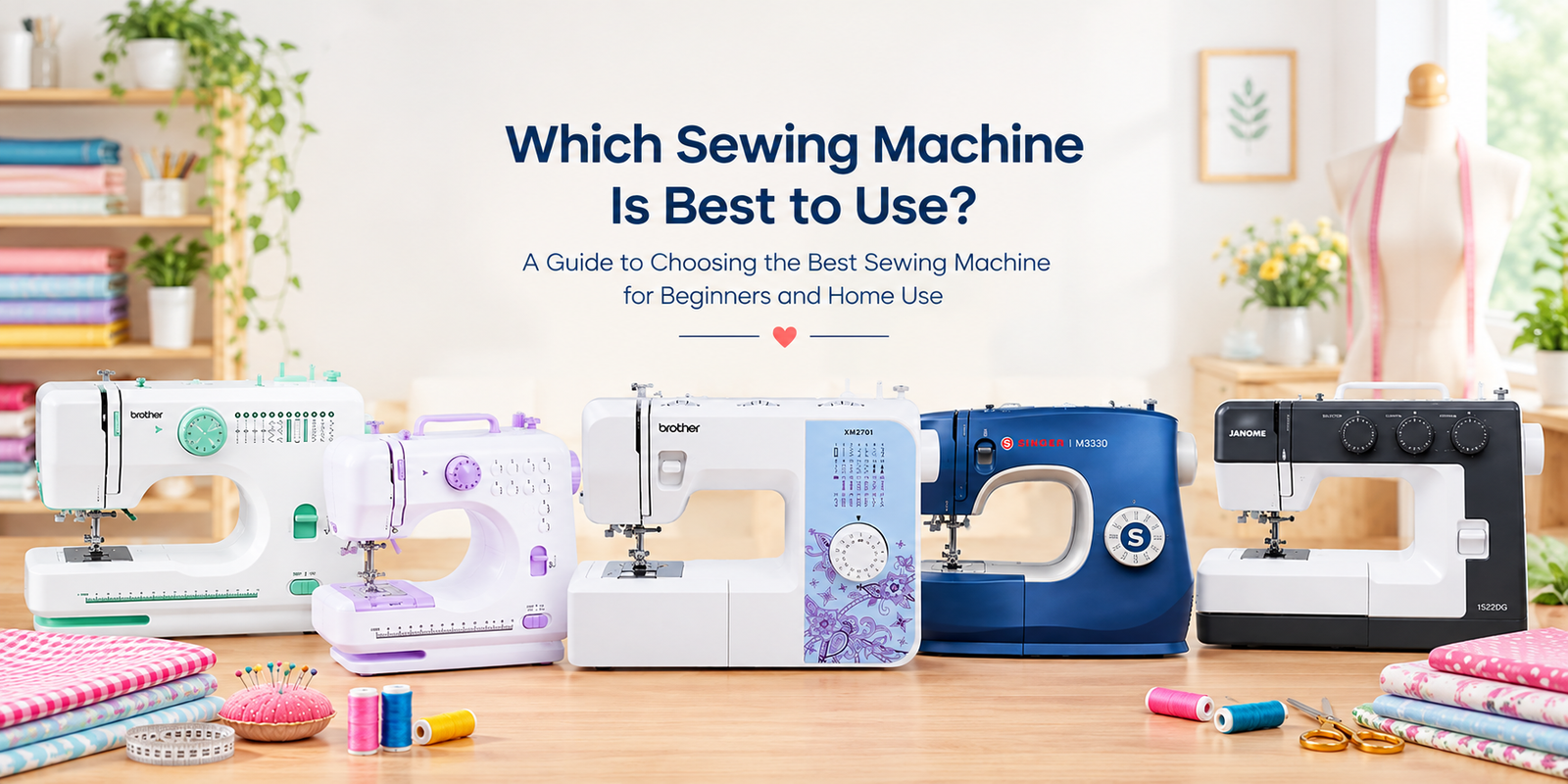
Choosing the best sewing machine can feel overwhelming, especially when there are so many models and features available. Whether you are a beginner learning to sew, someone looking for a reliable machine for home projects, or an experienced user interested in tailoring and quilting, choosing the right sewing machine can make your work easier and more enjoyable.
At SewingKitBag, we understand that every sewer has different needs. Some users need a lightweight machine for simple repairs, while others need a versatile sewing and quilting machine for larger projects. This guide compares several sewing machines to help you understand which option may be right for you.
What Is the Best Sewing Machine to Use?
The best sewing machine depends on how and where you plan to use it. Beginners may prefer a simple machine with easy controls, while experienced sewers may need more stitch options, greater versatility, or features designed for quilting and tailoring.
Here are some sewing machines worth considering:
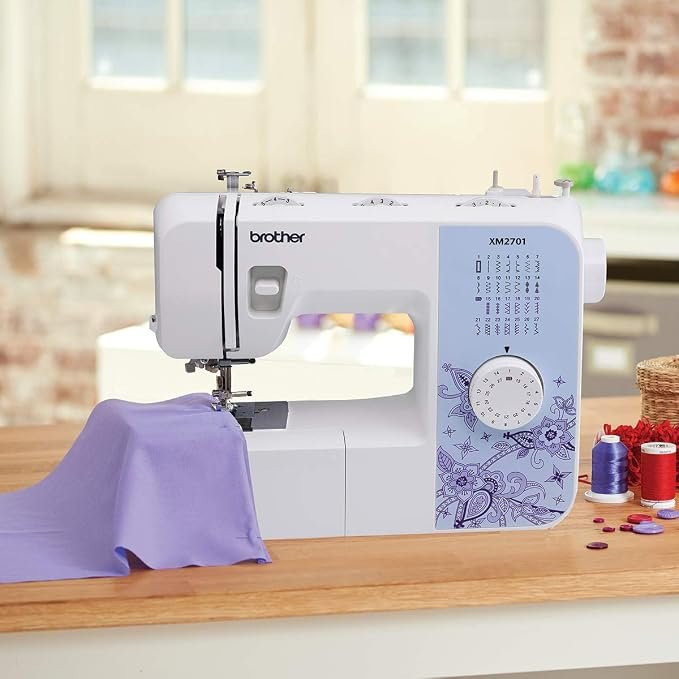
1. Brother XM2701 Lightweight Sewing Machine
The Brother XM2701 Lightweight Sewing Machine is an option worth considering if portability and ease of use are important. Its lightweight design makes it convenient for home sewing and for users who may need to move or store their machine frequently.
For beginners, a straightforward sewing machine can make learning basic techniques easier. The Brother XM2701 can be considered for everyday projects such as repairs, alterations, and simple clothing or craft projects.
Best for: Beginners, home sewing, and users looking for a lightweight machine.
2. Rexmeli Portable Mini Electric Sewing Machine
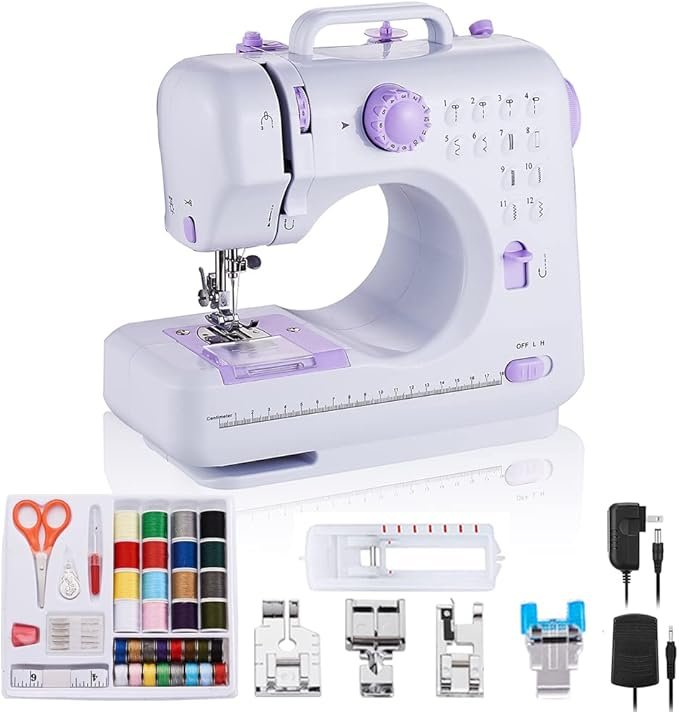
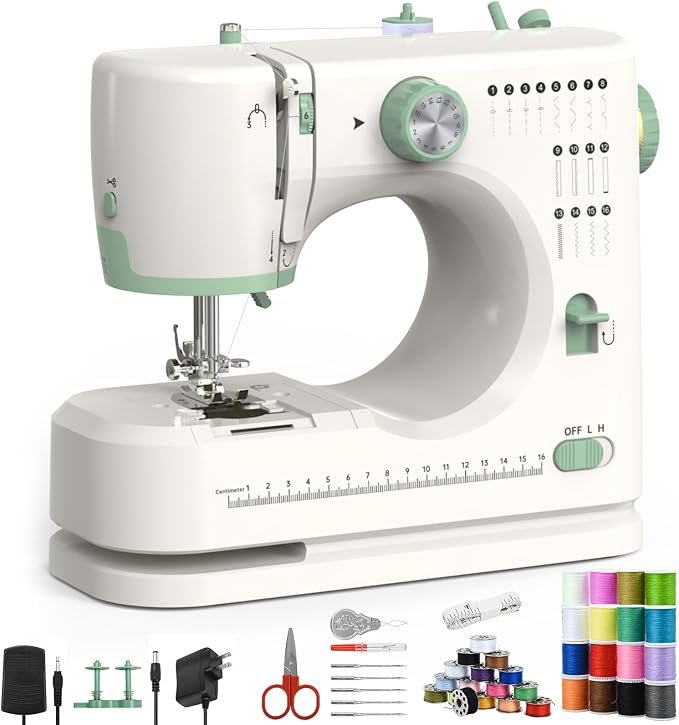
The rexmeli Portable Mini Electric Sewing Machine is designed for users who want a compact sewing solution. A mini machine can be useful when storage space is limited or when portability is a priority.
This type of machine may be suitable for basic sewing tasks, small repairs, and simple craft projects. Beginners who do not need a full-size machine may find a compact option convenient for getting started.
Best for: Simple sewing projects, beginners, and users who prioritize portability.
3. Janome 1522DG Mechanical Sewing Machine
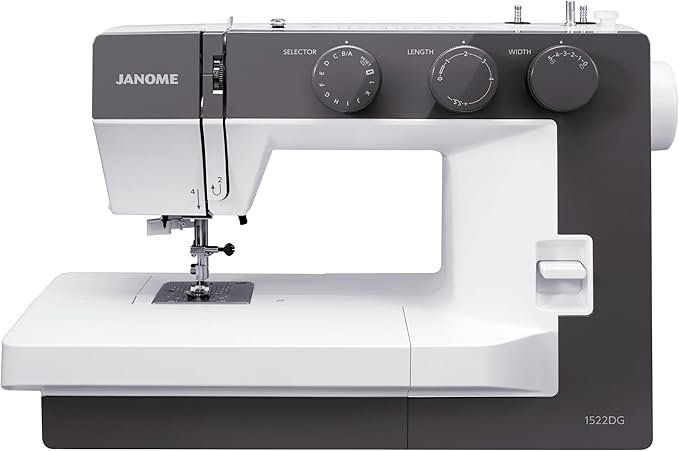
The Janome 1522DG Mechanical Sewing Machine is another option for people looking for a traditional mechanical sewing machine. Mechanical machines are often appreciated for their straightforward controls and familiar operation.
If you are learning how to choose a sewing machine, consider whether you prefer mechanical controls or a machine with more automated features. A mechanical model can be a good choice for users who want direct control over their sewing settings.
Best for: Everyday sewing and users who prefer mechanical controls.
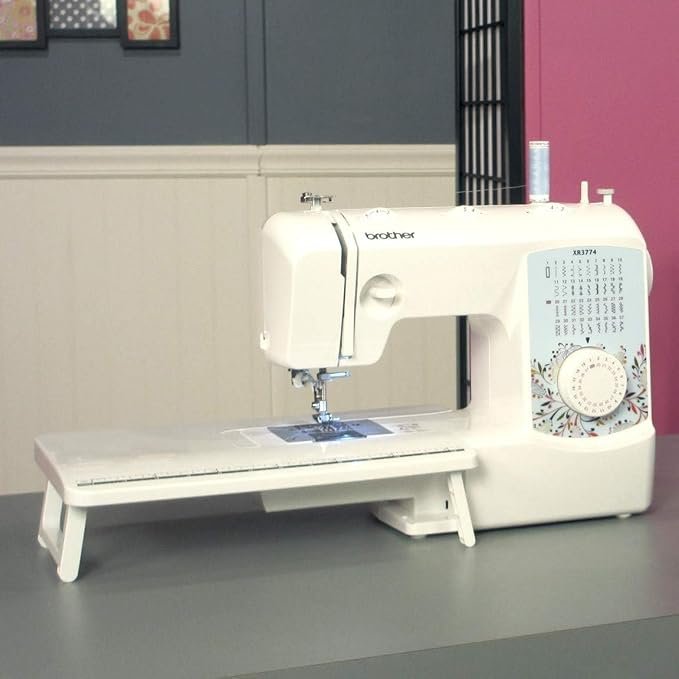
4. Brother XR3774 Sewing and Quilting Machine
If you are interested in both sewing and quilting, the Brother XR3774 Sewing and Quilting Machine may be worth considering. A sewing and quilting machine can provide greater flexibility for users who want to work on different types of projects.
Quilting often requires additional considerations compared with basic garment sewing, so look for features that make fabric handling and longer sewing sessions more comfortable.
Best for: Sewing enthusiasts, quilting projects, and users who want versatility.
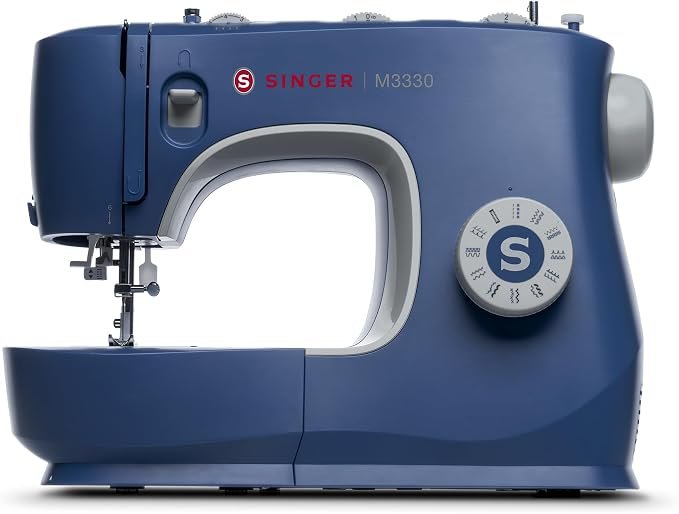
5. SINGER M3300 Sewing Machine
The SINGER M3300 Sewing Machine is another model to consider when looking for a machine for general sewing. It can be useful for people working on everyday sewing and alteration projects.
When choosing the best sewing machine for beginners, ease of operation should be one of your main considerations. A machine that is simple to understand can help new users develop their sewing skills with confidence.
Best for: General sewing, beginners, and home projects.
6. Stoigeld Sewing Machine SM-725
The Stoigeld Sewing Machine SM-725 can be considered by users looking for another option for basic sewing work. When comparing machines, consider the type of projects you regularly undertake rather than choosing solely based on the number of features.
For occasional home sewing, a machine that is easy to operate and store can be more practical than a more advanced model with features you may rarely use.
Best for: Basic home sewing and everyday sewing projects.
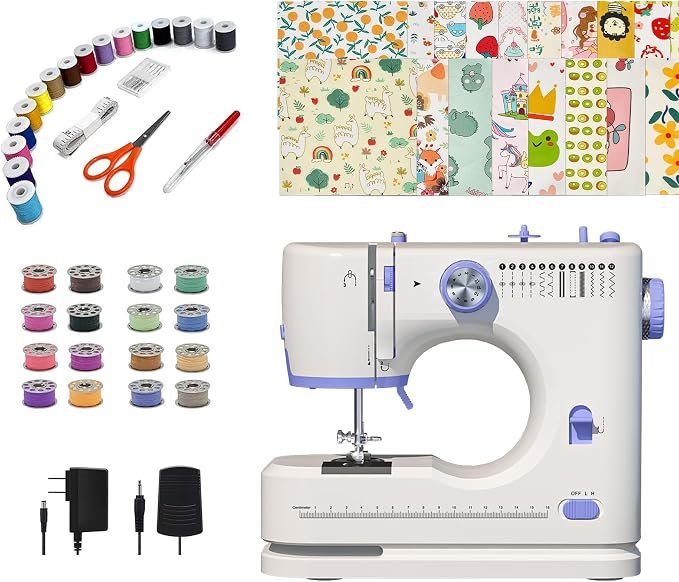
7. Mini Portable Sewing Machine
A Mini Portable Sewing Machine can be a practical option for people who have limited space or need a machine that is easy to carry. Compact sewing machines are particularly useful for small sewing tasks and occasional repairs.
Before choosing a mini machine, consider the fabrics and projects you intend to work with. A compact machine may not be the best choice for every type of fabric or demanding sewing project.
Best for: Small repairs, simple projects, and occasional sewing.
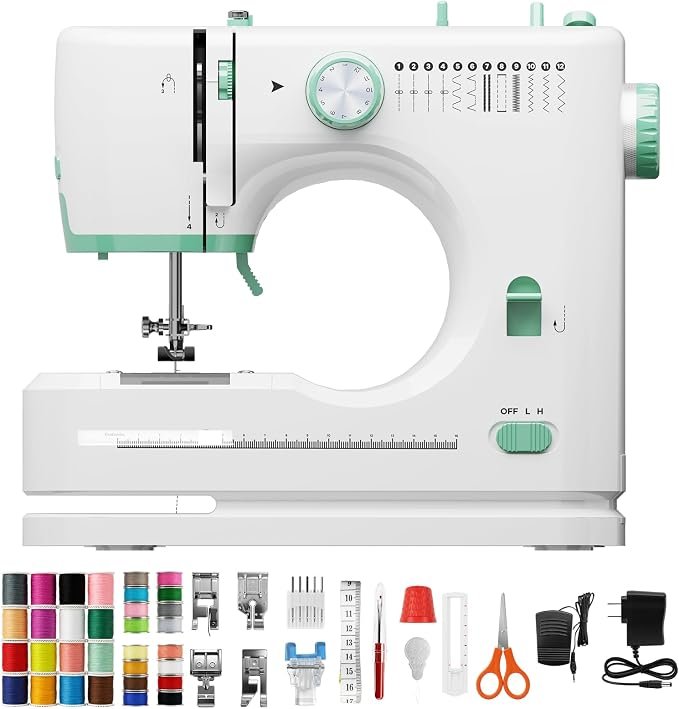
8. Portable Double Needle Sewing Machine
A Portable Double Needle Sewing Machine is designed for users who specifically need double-needle functionality. Double-needle sewing can be useful for creating certain decorative effects and parallel stitching applications.
If you are looking for a machine for more specialized sewing work, consider the specific stitching requirements of your projects before making a purchase.
Best for: Specialized sewing projects and users who need double-needle stitching.
How to Choose a Sewing Machine
When deciding which sewing machine is right for you, consider the following factors.
1. Your Sewing Experience
Beginners generally benefit from a machine with straightforward controls and an easy setup process. More experienced users may prefer additional stitch choices and advanced functions.
If you are purchasing your first machine, look for a model that allows you to learn basic sewing techniques without unnecessary complexity.
2. Type of Sewing Projects
Think about what you actually plan to sew. Someone who mainly repairs clothes has different requirements from someone who makes garments, quilts, home décor, or tailored clothing.
For simple repairs and alterations, a basic machine may be enough. For quilting or more complex projects, you may want a machine with additional features.
3. Portability and Storage
If you have limited workspace, consider a lightweight or portable machine. Compact models can be easier to store when they are not being used.
However, portability should be balanced against stability and the type of sewing you plan to do.
4. Stitch Options
Different projects may require different stitches. Basic straight and zigzag stitches can be sufficient for many everyday tasks, while decorative and specialized stitches can provide more options for creative projects.
Before buying, consider whether you actually need numerous stitch options or would prefer a simpler machine.
5. Fabric Compatibility
The fabrics you work with should also influence your choice. Lightweight fabrics, medium-weight fabrics, denim, upholstery materials, and multiple fabric layers can place different demands on a sewing machine.
Always check the manufacturer’s specifications and recommended applications before sewing particularly heavy or difficult materials.
6. Ease of Maintenance
A sewing machine requires regular cleaning, proper threading, and appropriate maintenance. A machine that is easy to maintain can be more convenient, particularly for beginners.
Following the manufacturer’s instructions can help keep the machine operating properly.
7. Budget
Price is an important consideration, but the cheapest sewing machine is not necessarily the best choice. Instead, consider the features you actually need and choose a machine that offers the right balance between functionality, reliability, and cost.
Which Is the Best Sewing Machine for Beginners?
The best sewing machine for beginners is generally one that is easy to set up, straightforward to operate, and suitable for basic projects.
Beginners should avoid choosing a machine based solely on the number of stitches or advanced features. Instead, focus on ease of use, clear controls, convenient threading, and the ability to handle the projects you want to learn.
Options such as the Brother XM2701, rexmeli Portable Mini Electric Sewing Machine, and SINGER M3300 may be worth comparing if you are starting your sewing journey.
Which Is the Best Sewing Machine for Home Use?
The best sewing machine for home use depends on how frequently you sew and what you make.
For occasional repairs and basic projects, a compact or lightweight machine can be convenient. If you regularly make clothes or work on larger projects, you may prefer a full-size machine with more capabilities.
The Janome 1522DG, Brother XM2701, SINGER M3300, and Brother XR3774 are examples of machines you can compare according to your individual requirements.
Which Sewing Machine Is Best for Tailoring?
If tailoring is your main goal, focus on more than portability. You should consider the types of fabrics you will sew, stitch control, machine stability, sewing speed, and the features required for garment construction and alterations.
A machine suitable for tailoring should be selected according to your workload and the fabrics you commonly use. If you plan to sew frequently or professionally, investing in a machine designed to meet your specific requirements can be more practical than choosing a basic mini machine.
SewingKitBag’s Tips for Choosing the Right Sewing Machine
At SewingKitBag, we recommend starting with your actual sewing requirements rather than simply choosing the machine with the most features.
Before purchasing, ask yourself:
- Am I a beginner or an experienced sewer?
- What types of projects will I make?
- Do I need a portable machine?
- Will I sew lightweight or heavier fabrics?
- Do I need quilting or specialized stitching features?
- How much space do I have at home?
- What is my budget?
- How often will I use the machine?
Answering these questions can make it easier to narrow down your options.
Sewing Machine Buying Guide: What Should You Look For?
Before purchasing, make a simple checklist:
- Skill level: Choose a machine that matches your experience.
- Project type: Consider garments, repairs, quilting, crafts, or tailoring.
- Fabric: Make sure the machine is appropriate for the materials you use.
- Portability: Choose a lightweight machine if you frequently move or store it.
- Stitch selection: Decide which stitches you actually need.
- Ease of use: Beginners should prioritize simple controls and setup.
- Maintenance: Check cleaning and servicing requirements.
- Budget: Compare useful features rather than focusing only on price.
Final Thoughts
There is no single machine that is the best sewing machine for everyone. The right choice depends on your experience, sewing projects, available space, preferred features, and budget.
For beginners, a simple and easy-to-use model can be a good starting point. Users who need portability may prefer a mini or lightweight machine, while quilters and more experienced sewers may benefit from a machine designed for greater versatility.
At SewingKitBag, our goal is to help sewing enthusiasts make more informed decisions by understanding what different sewing machines offer. Before buying, compare the Brother XM2701 Lightweight Sewing Machine, rexmeli Portable Mini Electric Sewing Machine, Janome 1522DG Mechanical Sewing Machine, Brother XR3774 Sewing and Quilting Machine, SINGER M3300 Sewing Machine, Stoigeld Sewing Machine SM-725, Mini Portable Sewing Machine, and Portable Double Needle Sewing Machine based on your individual needs.
The most important part of choosing a sewing machine is not simply finding the machine with the most features—it is finding the one that fits the way you sew.