
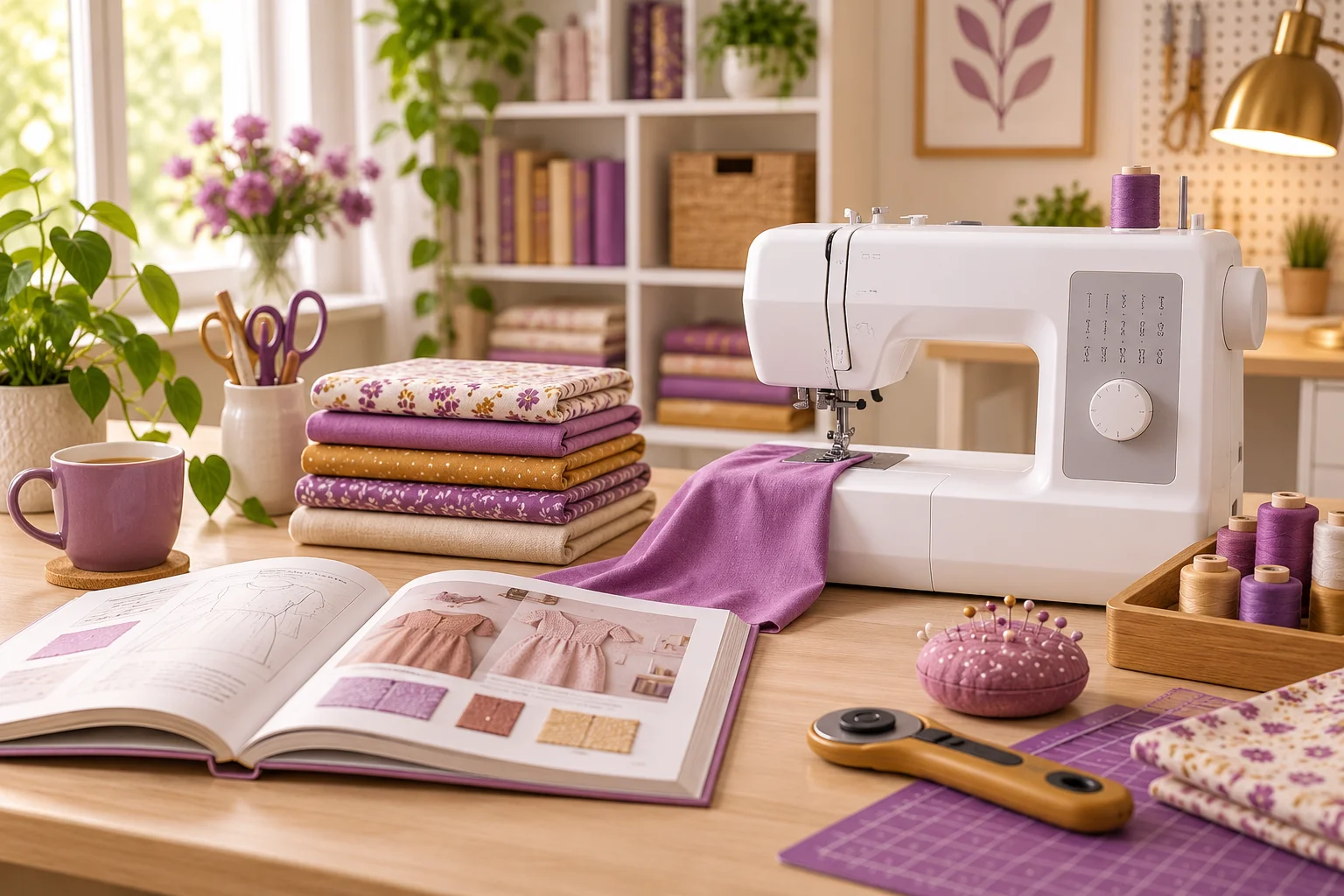
Choosing your first sewing machine can feel overwhelming, especially when there are so many models, features, and price ranges available. A good sewing machine can make sewing easier, faster, and more enjoyable, but the right choice depends on your experience, projects, and sewing goals.
This Sewing Machine Buying Guide will help beginners understand the important things to consider before purchasing a machine.
1. Decide What You Want to Sew
Before choosing a sewing machine, think about the projects you plan to make. If you mainly want to sew simple garments, home décor, repairs, or accessories, a basic mechanical machine may be enough.
For projects involving decorative stitches, quilting, or more advanced techniques, you may want a machine with additional stitch options and useful functions.
2. Mechanical vs. Computerized Sewing Machines
One of the first decisions is whether you want a mechanical or computerized machine.
Mechanical sewing machines use physical dials and controls. They are straightforward and can be a practical option for beginners who prefer simple controls.
Computerized sewing machines use electronic controls and often provide a wider selection of stitches and automated functions. They can be convenient for sewists who want more features as they develop their skills.
Neither type is automatically right for everyone. Consider which controls and features feel most comfortable for you.
3. Look at the Essential Features
When comparing machines, pay attention to features that can make everyday sewing easier. Useful features may include:
- Adjustable stitch length and width
- Straight and zigzag stitches
- Buttonhole functions
- Adjustable presser-foot pressure
- Free-arm sewing for sleeves and small areas
- Built-in needle threader
- Reverse stitching
- Easy bobbin loading
- Good lighting around the needle area
You do not necessarily need every available feature. Focus on the functions you are likely to use regularly.
4. Consider the Number of Stitch Options
A beginner does not need hundreds of stitches to get started. Straight and zigzag stitches are among the most useful basic stitches for many sewing projects.
Decorative, stretch, overcasting, and buttonhole stitches can be helpful as your sewing interests grow.
Instead of choosing a machine simply because it has the largest stitch count, consider whether its available stitches match the projects you want to make.
5. Check the Sewing Speed
Sewing speed can affect how comfortable a machine feels to use. Beginners may appreciate a machine that allows good control at slower speeds.
A speed-control feature can be particularly useful when learning techniques that require precision, such as sewing curves, corners, or detailed garment sections.
6. Think About the Fabrics You Will Use
The fabrics you plan to sew should also influence your choice.
Light and medium-weight fabrics are suitable for many beginner projects. If you expect to work with heavier materials, multiple layers, denim, or other challenging fabrics, check the machine’s specifications and capabilities before buying.
Remember that no single household sewing machine is ideal for every fabric and project.
7. Consider Ease of Threading and Bobbin Setup
Threading a sewing machine becomes easier with practice, but beginner-friendly features can make the learning process smoother.
Look for clear threading guides, an easy-to-access bobbin area, and instructions that explain setup clearly. A machine that is simple to thread and operate can help you spend more time sewing and less time troubleshooting.
8. Check the Presser Feet
Different presser feet are designed for different sewing tasks. Depending on your projects, useful options may include:
- Zipper foot
- Buttonhole foot
- Blind hem foot
- Overcasting foot
- Walking foot
- Quilting foot
You do not have to buy a machine with every possible presser foot. Check which feet are included and whether additional compatible feet are available.
9. Consider Size, Weight, and Storage
Think about where you will use and store your sewing machine.
If you have a permanent sewing space, a larger machine may be perfectly practical. If you need to move your machine frequently or have limited workspace, a more compact design may be convenient.
Also consider whether you have enough room for fabric to the left and right of the needle while sewing.
10. Set a Realistic Budget
Sewing machines are available at many different price points. Instead of choosing solely based on price, compare the machine’s features, construction, accessories, warranty, and intended use.
A beginner does not necessarily need the most expensive machine. A reliable machine with the features you actually need can be a better fit than a complicated model with functions you may never use.
11. Read Reviews and Check Support
Before buying, read reviews from other users and pay attention to recurring comments about ease of use, reliability, noise, threading, and maintenance.
It is also worth checking the manufacturer’s warranty and availability of replacement parts, accessories, manuals, and service support.
Good after-sales support can be especially helpful when you are learning.
12. Make Sure You Have the Right Accessories
A sewing machine is only part of your sewing setup. Beginners may also need:
- Sewing machine needles
- Bobbins
- Sewing thread
- Fabric scissors
- Measuring tape
- Seam ripper
- Pins or sewing clips
- Tailor’s chalk or fabric marker
- Extra presser feet when needed
Keeping your sewing essentials organized can make your sewing space more convenient. Sewing Kit Bag can be a useful resource for organizing and carrying sewing supplies.
Final Thoughts
Buying your first sewing machine does not have to be complicated. Start by thinking about what you want to sew, how often you plan to sew, which features you genuinely need, and how much space and budget you have.
The best machine for a beginner is one that feels comfortable to operate and supports the projects you want to create. Take your time comparing options, understand the basic features, and choose a machine that can grow with your sewing skills.
With the right sewing machine and a few essential tools, you can begin turning your fabric ideas into handmade garments, accessories, home projects, and more.
Happy sewing from Sewing Kit Bag!